
Car Key Unlock
Add a review FollowOverview
-
Founded Date September 7, 1947
-
Posted Jobs 0
-
Viewed 78
Company Description
The 10 Scariest Things About Automotive Key Replacement
Automotive Key Replacement: A Comprehensive Guide
The automotive industry vibrant continues to evolve, particularly when it pertains to vehicle security and key management. Lost or damaged car keys can be more than simply an inconvenience; they may put you at threat for theft or can cause considerable expenses as you look for replacements. This detailed guide explores the various elements of automotive key replacement, the numerous kinds of keys readily available, and the steps you can take need to you deal with such a dilemma.

Comprehending Key Types
Modern automobiles use numerous kinds of keys and access approaches, each with its own distinct features and replacement processes. Below is an in-depth introduction of the most common key types:
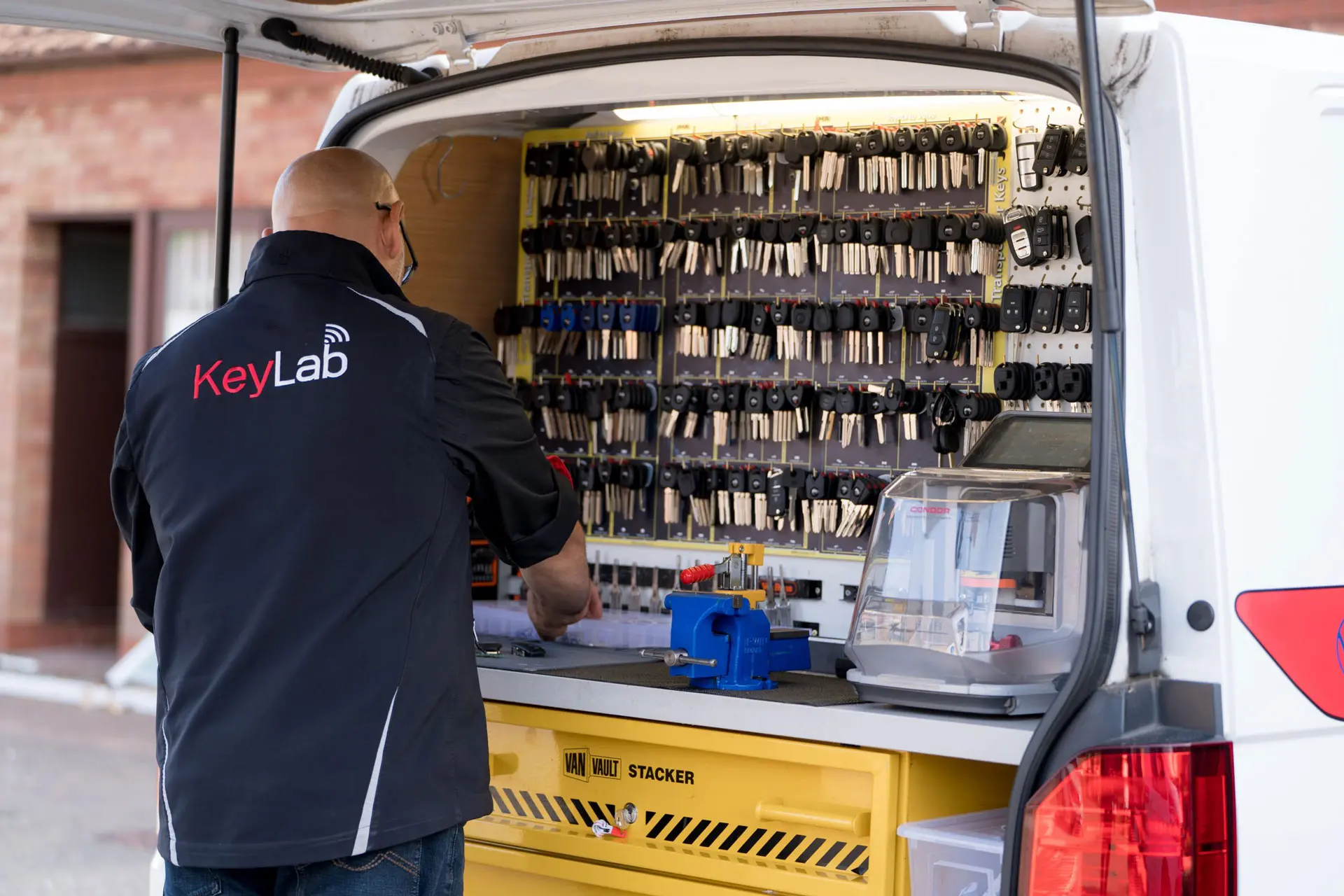
| Key Type | Description | Replacement Cost |
|---|---|---|
| Traditional Mechanical Key | Basic metal keys without electronic parts. | ₤ 10 – ₤ 50 |
| Transponder Key | Features a microchip that communicates with the vehicle; needs programming. | ₤ 50 – ₤ 150 |
| Key Fob | Remote key that enables keyless entry and ignition; often includes buttons for locking/unlocking. | ₤ 100 – ₤ 300 |
| Smart Key/Push-to-Start | Advanced keyless entry systems that can start the engine without placing a key. | ₤ 200 – ₤ 600 |
| Key Card | Usually utilized in luxury vehicles, permits access with a card; might require specific programming. | ₤ 200 – ₤ 500 |
Kinds Of Automotive Keys in Detail
-
Conventional Mechanical Keys:
These are the simplest and most cost-effective type. They are essentially metal keys that open locks without extra technology. Replacement expenses are substantially lower, typically requiring a simple machining process. -
Transponder Keys:
Introduced in the mid-1990s, these keys improve vehicle security. They contain a small chip that sends a signal to the vehicle’s ignition system, avoiding unauthorized access. Replacement usually necessitates programming to sync the key with the vehicle. -
Key Fobs:
As technology advanced, key fobs entered play. These are remote keys that digitally communicate with the car. In addition to opening doors, lots of feature alarm and trunk-opening functions. Losing a key fob can cause greater replacement expenses due to the requirement for reprogramming. -
Smart Keys:
Smart keys utilize distance innovation, enabling the chauffeur to unlock and begin the vehicle without physically placing a key. Their complexity typically causes higher replacement costs and additional programming services. -
Key Cards:
Primarily found in luxury automobiles, key cards operate in a similar way to smart keys however normally come as a card instead of a fob. They likewise need sophisticated programming for replacement.
Steps to Take When You Lose Your Car Keys
Losing car keys can be aggravating, but knowing the steps to replace them can make the procedure smoother. Here are the recommended actions:
-
Stay Calm:
Assess the scenario calmly. Often, retracing your steps can assist find lost keys. -
Identify Your Key Type:
Determine what type of key you own, as this will impact the replacement procedure and cost. Evaluation the table above for a quick reference. -
Consult Your Vehicle Manual:
The vehicle’s owner manual typically supplies info on the key type and replacement options. -
Contact a Locksmith or Dealer:
Depending on the key type, you can either approach a local locksmith or the dealership:- Locksmith: Typically cheaper, particularly for conventional and transponder keys.
- Dealership: Necessary for innovative keys like smart keys and key fobs.
-
Provide Necessary Information:
Be ready to present requisite documents such as:- Vehicle Identification Number (VIN)
- Proof of ownership (e.g., car title, registration)
- Identification
-
Get a New Key:
After offering the needed details, the locksmith or dealer can create a new key, program it as required, and provide you guidelines on usage.
Advantages and disadvantages of Different Replacement Sources
| Source | Pros | Cons |
|---|---|---|
| Local Locksmith | Generally lower expenses, fast service | May absence knowledge with advanced keys |
| Dealership | Trained personnel, competence | Higher costs, longer wait times |
Regularly Asked Questions (FAQs)
1. What need to I do if my car keys are stolen?Immediately report the theft to
the cops and your insurance company. Think about altering your locks or changing key fobs that can lead to undesirable access. 2. Can I set my own key at home?For standard keys, yes; for transponderkeys, key fobs, and smart keys, the process typically
requires special equipment and expertise. 3. For how long does it require to get a replacement key?The time might differ significantly based upon the key type: Traditional Keys:
A couple of minutes Transponder Keys: Up to an hour Key Fobs/Smart Keys: Several hours to a couple of days 4. Are all keys cut the same?No, keys can have unique
additional costs of emergency replacements. Final Thoughts Automotive key replacement is a vital aspect of vehicle ownership that needs awareness of the types of keys, replacement processes,
and associated expenses. Whether dealing with a lost key scenario or just anticipating future needs, being informed is